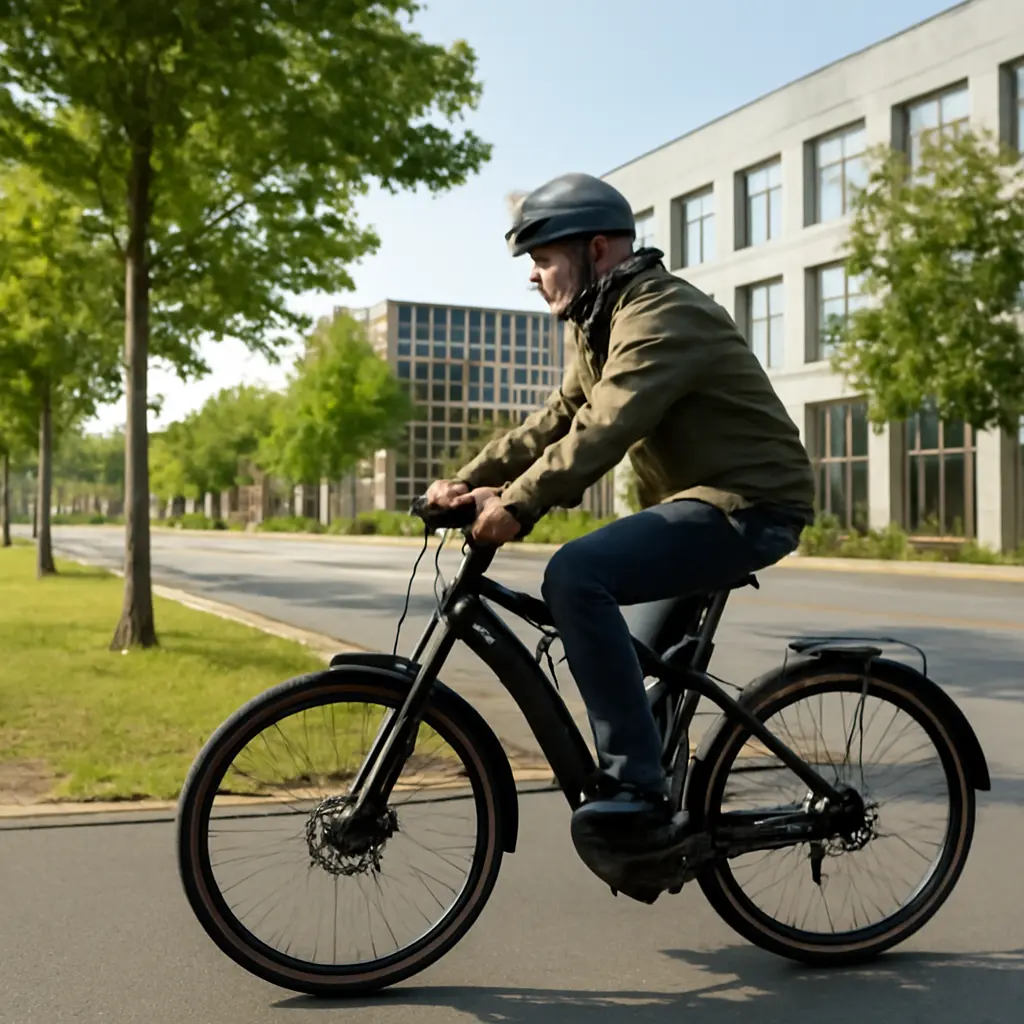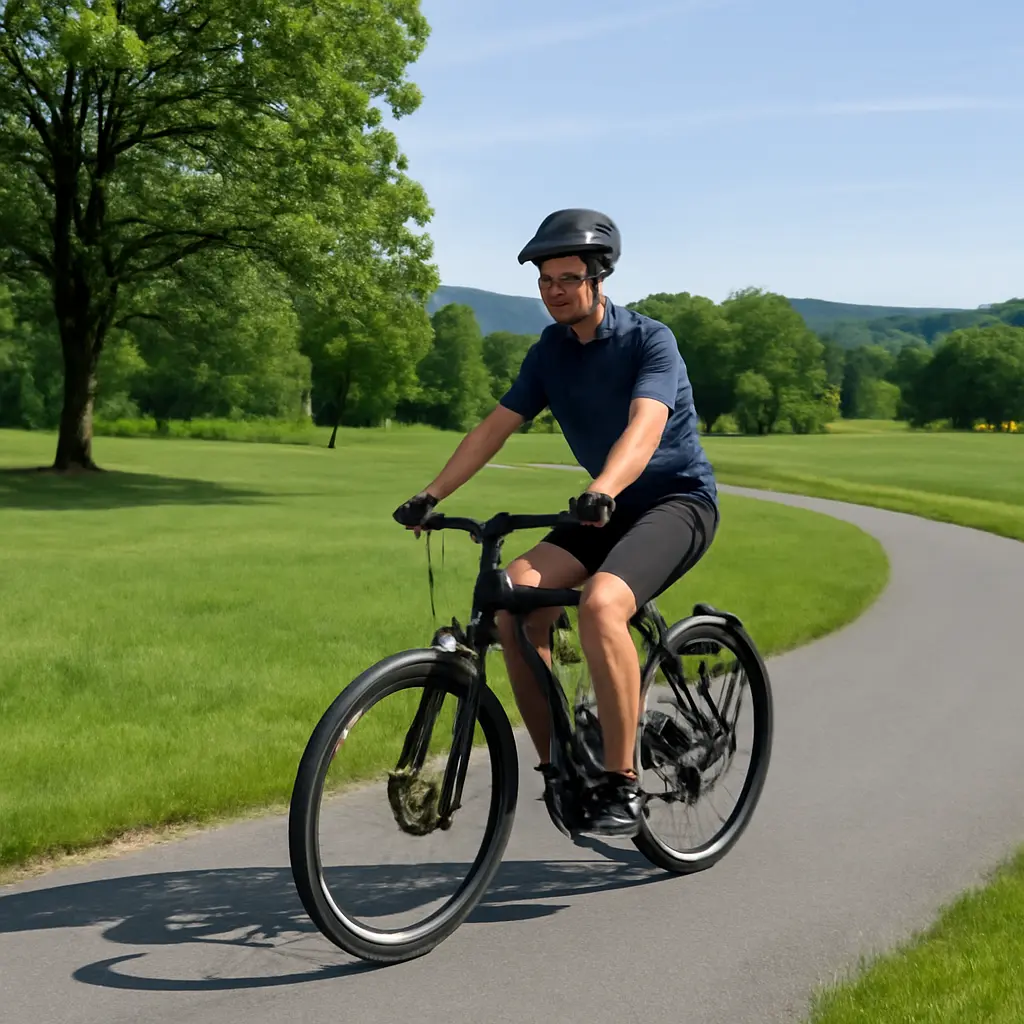
An e-bike’s cadence is how quickly its cranks turn, usually measured in revolutions per minute (rpm); efficiency is how effectively pedaling effort and battery energy produce forward motion. The wrong cadence can make a rider work harder than necessary and, on many pedal-assist bikes, can also affect how much motor support is requested. Range depends on much more than cadence—battery capacity, speed, terrain, temperature, tires, load, and assist settings all matter—but riding in a comfortable gear and a sustainable cadence can help avoid needless energy use. This guide explains how cadence interacts with gearing, motor systems, and riding conditions, why there is no single ideal rpm for every e-bike, and how to test practical changes on your own routes.
How cadence affects e-bike efficiency and range
Cadence is the rotational speed of the crankset: one complete pedal revolution per minute counts as one rpm. E-bike efficiency describes how economically the rider and electrical system convert their energy into useful movement. These ideas are connected, but cadence alone does not determine range. A rider’s gear choice, effort, speed, assist mode, bike design, and route can change the result.
The U.S. Department of Energy’s Alternative Fuels Data Center explains that electric-bike range varies with factors such as battery capacity, terrain, rider input, speed, and level of assistance. That is why a cadence adjustment cannot promise a fixed percentage increase in range. It can, however, help a rider avoid inefficient extremes: grinding a heavy gear at very low cadence or spinning so quickly that control and comfort suffer.
Cadence, torque, and power
Cadence and pedal force combine to produce mechanical power. In practical terms, a rider can deliver a given amount of power with slower, harder pedal strokes or faster, lighter ones. The most comfortable balance depends on fitness, gearing, the slope, and the motor’s behavior. Low cadence in a high gear can demand substantial force at the pedals; shifting down generally makes it easier to turn the cranks and sustain effort.
For e-bike riders, this distinction matters because a motor may respond to pedaling effort, cadence, or both. A torque-sensing system measures force applied to the pedals, while a cadence-sensing system primarily detects crank rotation. These are broad categories rather than guarantees about a bike’s exact behavior: manufacturers may combine sensors, tune assistance differently, and use proprietary control systems.
Why cadence is not a standalone range measure
A rider can pedal at a steady cadence while using very different amounts of battery energy. Riding faster, climbing, accelerating repeatedly, carrying more weight, or selecting a higher assistance level can increase energy demand even if rpm stays constant. Conversely, a lower cadence does not automatically mean greater efficiency if it forces hard pedal strokes or causes the rider to rely more heavily on motor assistance.
Battery capacity is commonly stated in watt-hours (Wh), a measure of stored energy. A larger battery may support more riding under comparable conditions, but actual range is not simply a battery-size calculation: the bike’s energy consumption per mile or kilometer changes with the ride. Treat any published range estimate as conditional, and compare results only when route, assist setting, speed, and other conditions are reasonably similar.
How motor and sensor types shape useful cadence
The relationship between cadence and assistance depends partly on the motor and its control system. Mid-drive motors apply power through the bicycle’s drivetrain, so the selected gear affects the motor’s operating conditions. Hub motors drive the wheel directly and are less tied to the bicycle’s gear ratio, although gearing still affects the rider. In either design, the bike’s software and sensor setup influence how assistance feels.
Mid-drive motors and gear choice
A mid-drive motor powers the crank or drivetrain rather than turning the wheel directly. Because its output passes through the selected gear, shifting appropriately is especially important on climbs and when starting from a stop. A low gear can let the rider and motor turn the cranks more easily; a high gear is generally more suitable once speed rises. Staying in an overly high gear at low speed can feel laborious and may place unnecessary strain on the drivetrain.
There is no universal cadence threshold that applies to every mid-drive system. Motor design, gear range, software, and load differ. Follow the bicycle maker’s guidance, shift before a steep climb when possible, and avoid forcing the pedals when the bike slows dramatically.
Hub motors and rider cadence
A hub motor sits in the front or rear wheel and propels that wheel without sending motor power through the bicycle’s chain and gears. The rider still benefits from choosing a comfortable gear, but shifting does not change the hub motor’s gear ratio in the same way it affects a mid-drive. Depending on the model, pedal sensors and motor controls may provide assistance that feels less directly tied to pedal force.
Hub-motor range still responds to speed, terrain, assist level, and battery capacity. Do not assume that a particular cadence will make a hub motor more efficient without checking the bike’s documentation or comparing controlled rides.
Torque sensing versus cadence sensing
Torque sensors measure how strongly the rider presses on the pedals, while cadence sensors detect whether—and how quickly—the cranks are turning. Torque-sensing assistance often feels more proportional to rider effort. Cadence-sensing assistance may deliver power once pedaling is detected, with the amount governed by the selected mode and system tuning. Some bikes use more than one input.
These sensor types do not establish a single ideal riding style. On a torque-sensing bike, smooth, steady pressure may help produce predictable assistance. On a cadence-sensing bike, riders may find that a comfortable, consistent spin gives a smoother experience than intermittent pedaling. The relevant test is the bike’s behavior, not a generic cadence number advertised as best for all e-bikes.
Practical cadence and gearing strategies
A useful riding pattern is one that lets you pedal smoothly, maintain control, and avoid repeated surges in effort. Rather than chasing a supposedly perfect rpm, use cadence as feedback: if you are pushing hard to turn the pedals, shift to an easier gear; if your legs are spinning uncomfortably fast, shift to a harder gear where appropriate.
Shift before the effort spikes
Change gears before a hill or stop when conditions allow. Shifting under heavy pedal load can be rough on the chain and drivetrain, and a late shift may leave you grinding at low speed. With a mid-drive, easing pressure briefly during a shift can help the gear change, subject to the manufacturer’s instructions. On a hub-motor bike, shifting still helps match the rider’s effort to speed, even though it does not change the motor’s internal gearing.
Use assist levels deliberately
Higher assist can make hills and acceleration easier, but it commonly draws more battery power than lower assistance under otherwise similar conditions. Choose the lowest mode that comfortably supports the trip, then increase assistance when a climb, headwind, or safety-related need makes it useful. Avoid treating low assist as a rule: if it makes you pedal uncomfortably hard or prevents you from riding safely, use a more suitable setting.
Keep speed and acceleration in perspective
Air resistance rises sharply as speed increases, so fast riding can require substantially more power than a modest pace. Frequent hard acceleration also uses energy. Where safe and appropriate, smooth starts and a steady cruising speed can help reduce demand. Cadence may stay similar while energy consumption changes because speed and wind resistance have changed.
For a fair personal comparison, ride the same route in similar weather and with the same load. Record distance, battery level or energy used if the bike provides it, assist mode, and approximate speed. A simple chart could compare “low assist,” “usual assist,” and “high assist” across repeated rides; note wind and temperature so that a favorable day is not mistaken for a cadence improvement.
Other factors that can overwhelm cadence changes
Cadence is only one part of the range equation. The National Renewable Energy Laboratory’s transportation research and the U.S. Department of Energy’s guidance on vehicle energy use both emphasize that speed, operating conditions, and energy demand affect efficiency. For an e-bike, practical checks beyond pedaling rhythm can sometimes make a larger difference than changing cadence.
Tire pressure, tires, and mechanical condition
Underinflated tires can increase rolling resistance, while tire choice and tread also influence how much effort is needed to keep moving. Inflate tires within the range printed on the tire sidewall or specified by the bicycle maker, taking rider and cargo weight into account. Check brakes for rubbing and keep the drivetrain clean and properly maintained. A poorly adjusted bike can waste effort regardless of cadence.
Terrain, weather, and carrying weight
Climbing requires energy to raise the combined mass of rider and bike. Headwinds and cold weather can also affect energy use, while cargo or a passenger increases the weight being moved. A route with frequent stops can demand more energy than a steady ride of the same distance. These conditions make direct comparisons between different rides unreliable unless they are taken into account.
Battery age and temperature
Lithium-ion battery performance can vary with temperature, age, storage, and charging practices. A ride that produces less range in cold weather does not necessarily indicate a cadence problem. Consult the battery manufacturer’s care instructions, use the approved charger, and avoid storing or charging the battery outside its specified temperature limits.
A simple method to test cadence changes
A repeatable test can reveal whether a riding adjustment helps on your particular bike. Use a familiar, safe route and change one variable at a time. If possible, use the bike’s display or a cycling computer to record cadence, speed, distance, and battery use; do not use a device in a way that distracts you from traffic or road conditions.
- Choose a route you can repeat, and note its hills, stops, and typical wind exposure.
- Set a consistent assist mode, carry similar cargo, and keep tire pressure consistent.
- Ride at a comfortable cadence and record the trip’s distance, time, and battery change.
- Repeat the route while changing only one factor, such as gear choice or assist level.
- Compare multiple rides rather than relying on a single result, and note temperature and wind.
This is a practical comparison, not a laboratory test. Battery indicators may be approximate, and small differences can be caused by weather, traffic, or route variation. The most useful result is a repeatable pattern—for example, that shifting earlier makes a climb more comfortable without noticeably increasing energy use.
Conclusion: cadence is a tool, not a range guarantee
Cadence and efficiency are linked through rider effort, gearing, motor design, and assistance controls, but cadence does not determine e-bike range by itself. Mid-drive motors make gear selection especially consequential; hub motors are less dependent on the bicycle’s drivetrain, while both types remain affected by speed, terrain, assist level, battery condition, and load. Torque- and cadence-sensing systems also respond differently, so the best approach depends on the specific bike.
Aim for a smooth, comfortable pedal rhythm, shift before effort becomes excessive, and use assistance intentionally. Then test changes on a repeatable route rather than relying on a universal rpm claim. For further guidance, consult your e-bike and battery manuals, and track your own rides to learn which combination of cadence, gearing, and assist mode works best for your conditions.
Sources: U.S. Department of Energy, Alternative Fuels Data Center, Electric Bicycles (E-Bikes), https://afdc.energy.gov/vehicles/electric_bicycles.html; U.S. Department of Energy, Energy Saver, Fuel Economy in Cold Weather, https://www.fueleconomy.gov/feg/coldweather.shtml; National Renewable Energy Laboratory, Transportation Research, https://www.nrel.gov/transportation/; Bosch eBike Systems, eBike batteries: care and handling, https://www.bosch-ebike.com/us/service/ebike-batteries