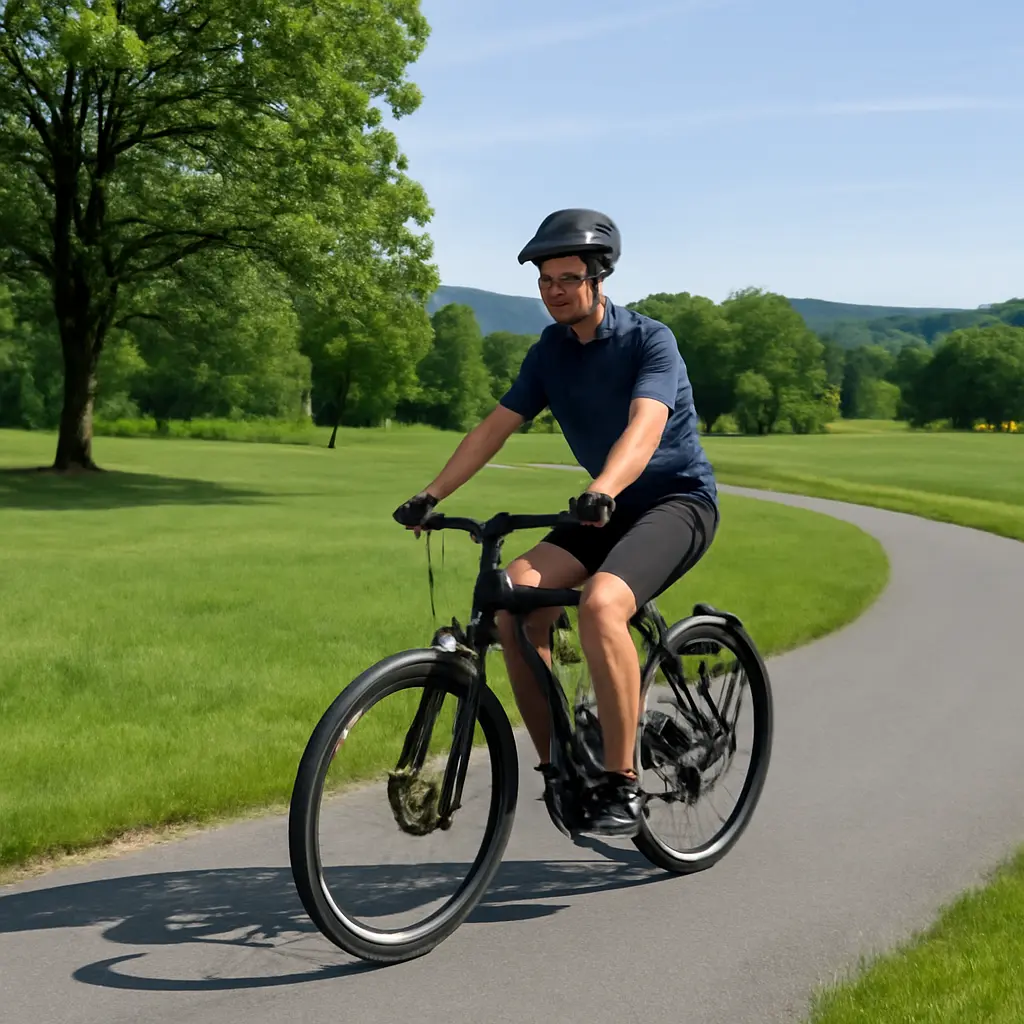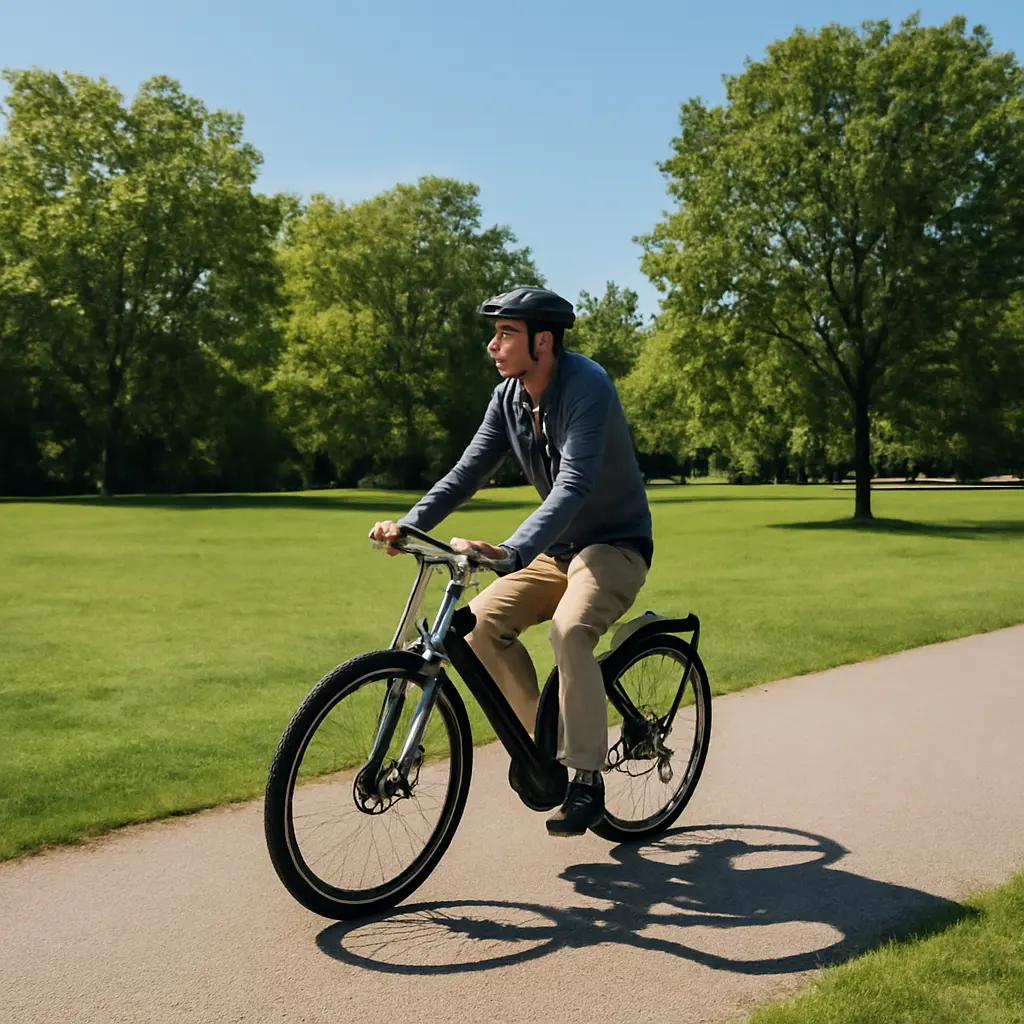
Electric bike safety for first-time riders means choosing and checking a suitable e-bike, wearing protective gear, learning its controls, and riding predictably within local rules. These steps matter: the U.S. Consumer Product Safety Commission reported at least 104 deaths associated with micromobility devices, including e-bikes, in 2023, while noting that its data may be incomplete. A safe start combines a properly fitted helmet, a pre-ride inspection, gradual practice, visible riding, and careful battery charging.
Prepare an electric bike and rider for safe first rides
An electric bicycle is a bicycle with an electric motor that assists pedaling or, on some models, propels the bike through a throttle. Definitions and permitted features vary by jurisdiction. In the United States, many states use a three-class system: Class 1 provides pedal assistance up to 20 mph; Class 2 may provide throttle assistance up to 20 mph; and Class 3 provides pedal assistance up to 28 mph. These classes are common, not universal, so riders should check local laws before using roads, paths, or trails.
The National Highway Traffic Safety Administration (NHTSA) advises cyclists to wear a properly fitted helmet, make themselves visible, and ride predictably. For a first-time e-bike rider, those basics need to account for the added weight, acceleration, and speed of an electric bicycle. A low-speed practice session in a quiet, open area can help a new rider understand how the bike responds before mixing with traffic.
Choose the right e-bike and understand its class
A suitable e-bike fits the rider, suits the intended route, and has controls the rider can operate comfortably. Before buying or borrowing one, check that the rider can mount and dismount securely, reach the brake levers, and handle the bike’s weight while walking it. Learn whether the motor uses pedal assist, a throttle, or both, and find the controls for assist level, lights, and power shutoff.
Class labels can affect where an e-bike may be ridden and whether age or helmet requirements apply. The PeopleForBikes model legislation describes the three-class framework, but state and local rules can differ and may change. Confirm the rules for the exact location and bike, especially on shared-use paths and trails. Do not assume that a route permitting ordinary bicycles also permits every e-bike.
Fit a helmet and wear visible, practical clothing
A bicycle helmet is protective headgear designed to reduce the risk of head injury in a crash. Choose one that meets a recognized safety standard, such as the U.S. Consumer Product Safety Commission’s bicycle-helmet standard, and follow the manufacturer’s fit instructions. The helmet should sit level, cover the forehead, and remain stable when the rider moves their head. Replace it after a significant impact and follow its care and service-life guidance.
Wear clothing that does not catch in the chain or obscure controls. Bright or reflective clothing and working front and rear lights help other road users see the rider, particularly at dawn, dusk, or in poor weather. A helmet does not prevent every injury, so it should be paired with cautious speed, space, and attention.
Inspect and operate an electric bike safely
A pre-ride inspection is a brief check that the bicycle’s tires, brakes, steering, drivetrain, electrical system, and safety equipment are ready for use. The League of American Bicyclists recommends checking key bicycle systems before riding; e-bike riders should also confirm that the battery is securely attached and electrical controls work normally. If a part is damaged, loose, or behaving unusually, do not ride until it has been inspected or repaired.
Check tires, brakes, steering, and lights
Before setting off, inspect tires for adequate inflation, visible damage, and objects lodged in the tread. Test both brakes at walking speed and make sure the levers feel firm and stop the bike reliably. Check that the handlebars and seat are secure, the chain runs properly, and front and rear lights function. Use the tire-pressure range printed on the tire or specified by the manufacturer rather than guessing.
E-bikes can be heavier and accelerate more quickly than familiar non-electric bicycles, so a brake check is especially important before each ride. If the brakes rub, feel weak, make a sudden noise, or require unusual lever travel, stop and seek a qualified repair. Never rely on the motor cutoff alone as a substitute for functioning brakes.
Practice acceleration, braking, and turning
Controlled practice means learning the bike’s motor response and handling at low speed in a traffic-free area. Start with the lowest assist setting, keep both hands on the handlebars, and apply power gently. Practice starting, stopping, turning, shifting gears if applicable, and walking the bike. Test stopping distance gradually on a dry, level surface, leaving room to stop without skidding.
Motor assistance can make a launch feel stronger than expected, while the bike’s extra mass can affect how it handles at low speed and when braking. Avoid sudden throttle inputs, sharp turns, and abrupt braking, especially on wet pavement, gravel, or painted road markings. Increase assist only after the controls feel familiar, and keep a speed that leaves time to respond to hazards.
Ride predictably in traffic and shared spaces
Predictable riding means following applicable traffic rules, communicating turns, maintaining a visible position, and giving others enough space. NHTSA’s bicycle-safety guidance emphasizes riding in the same direction as traffic, obeying signs and signals, and using hand signals when turning or stopping. Local rules govern where e-bikes may ride, so check municipal and trail regulations rather than relying on assumptions.
Manage speed, space, and road hazards
Choose a pace appropriate to visibility, surface conditions, traffic, and experience—not simply the maximum speed the motor permits. Leave extra following distance, slow before corners and intersections, and scan ahead for potholes, debris, opening car doors, and vehicles turning across the rider’s path. Wet leaves, loose gravel, metal grates, and slick markings can reduce tire grip.
On a shared path, reduce speed around pedestrians, announce passing when appropriate, and yield according to posted rules. Be especially cautious when passing children, dogs, or people using mobility devices. A bell or calm verbal warning can help, but it does not replace slowing down and allowing room.
Stay visible and communicate clearly
Visibility is the ability of other road users to notice and understand a rider’s movements in time to respond. Use lights as required by local law and whenever visibility is reduced; reflective details can further help at night. Signal turns and lane changes clearly when it is safe to do so, and make eye contact where practical without assuming that another road user has seen you.
Avoid riding in vehicle blind spots and do not weave between parked cars and moving traffic. Keep attention on the road: do not use a phone while riding, and avoid headphones that prevent awareness of traffic sounds. If carrying a passenger or cargo, use only equipment designed for that purpose and stay within the bike maker’s weight limits.
Charge and store an e-bike battery safely
An e-bike lithium-ion battery stores energy for the motor and requires compatible charging equipment and careful handling. The U.S. Consumer Product Safety Commission warns that lithium-ion battery failures can cause fires and recommends using products and chargers that are listed or certified by a nationally recognized testing laboratory, following manufacturer instructions, and stopping use of damaged batteries. Its micromobility safety guidance also advises riders not to charge while sleeping or leave charging batteries unattended.
Use the correct charger and watch for battery damage
Charge only with the charger specified for the battery and follow the bike maker’s instructions. Keep the battery and charger away from exits, heat sources, and combustible materials, and do not charge near a route needed to escape a building. Stop using a battery that is swollen, leaking, unusually hot, emitting an odor, or making a sound; do not attempt to repair it yourself. Contact the manufacturer or a qualified service provider for guidance.
A 2024 CPSC safety campaign urged consumers to use micromobility products and batteries that meet applicable safety standards, including UL 2849 for e-bike electrical systems and UL 2271 for light electric vehicle batteries. Certification does not remove every risk, but choosing appropriately certified equipment and following its instructions can reduce preventable hazards. Never modify a battery or combine it with an incompatible charger.
Store, transport, and dispose of batteries responsibly
Store the bike and battery in a cool, dry location as directed by the manufacturer, away from heat and anything that could block an exit. If the battery is removable, handle it carefully and protect its terminals during transport. Do not put lithium-ion batteries in household rubbish or ordinary recycling bins; check local hazardous-waste or battery-recycling services for accepted drop-off options.
Conclusion: Make first e-bike rides a safety routine
First-time riders can make electric biking safer by selecting a suitable bike and learning its class, wearing a correctly fitted helmet, inspecting brakes and tires, and practicing motor control before entering traffic. Predictable riding, suitable speed, visibility, and attention to local rules help protect both the rider and others. Safe charging and battery care are equally important because e-bike safety continues after the ride ends.
Before your next ride, check your bike’s manual and local regulations, complete a short low-speed practice session, and make a habit of inspecting the bike and battery. For further guidance, consult NHTSA, the Consumer Product Safety Commission, and your local transportation or trail authority.
Sources: National Highway Traffic Safety Administration, Bicycle Safety, https://www.nhtsa.gov/road-safety/bicycle-safety; U.S. Consumer Product Safety Commission, Micromobility Products-Related Deaths, Injuries, and Hazard Patterns: 2017–2023, https://www.cpsc.gov/s3fs-public/Micromobility-Products-Related-Deaths-Injuries-and-Hazard-Patterns-2017-2023.pdf; U.S. Consumer Product Safety Commission, E-Bikes: Fire Safety, https://www.cpsc.gov/Safety-Education/Safety-Education-Centers/Fire-Safety-Information-Center/E-bikes; U.S. Consumer Product Safety Commission, CPSC Urges Consumers to Use Micromobility Products That Meet Applicable Safety Standards, https://www.cpsc.gov/Newsroom/News-Releases/2024/CPSC-Urges-Consumers-to-Use-Micromobility-Products-That-Meet-Applicable-Safety-Standards; PeopleForBikes, State-by-State Electric Bicycle Laws, https://www.peopleforbikes.org/electric-bikes/state-laws; League of American Bicyclists, ABC Quick Check, https://bikeleague.org/ridesmart/abc-quick-check/.