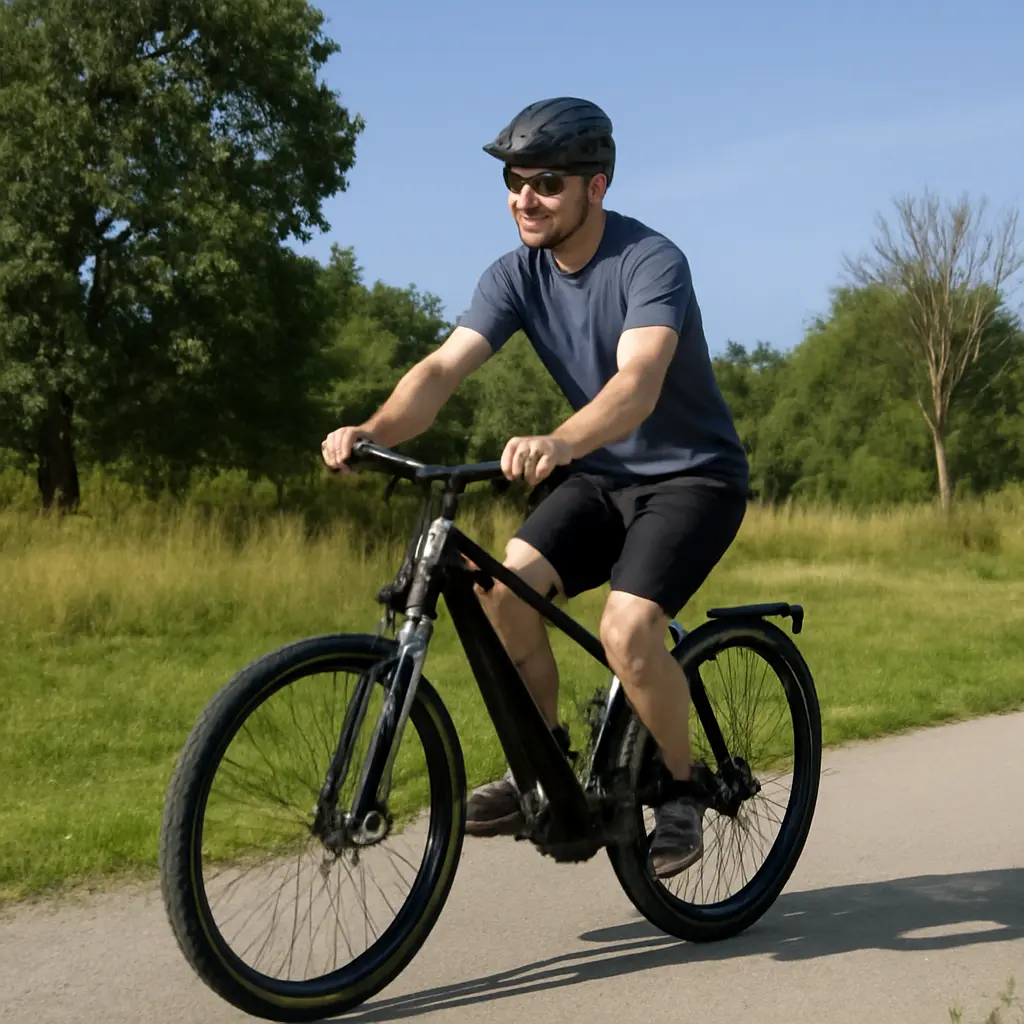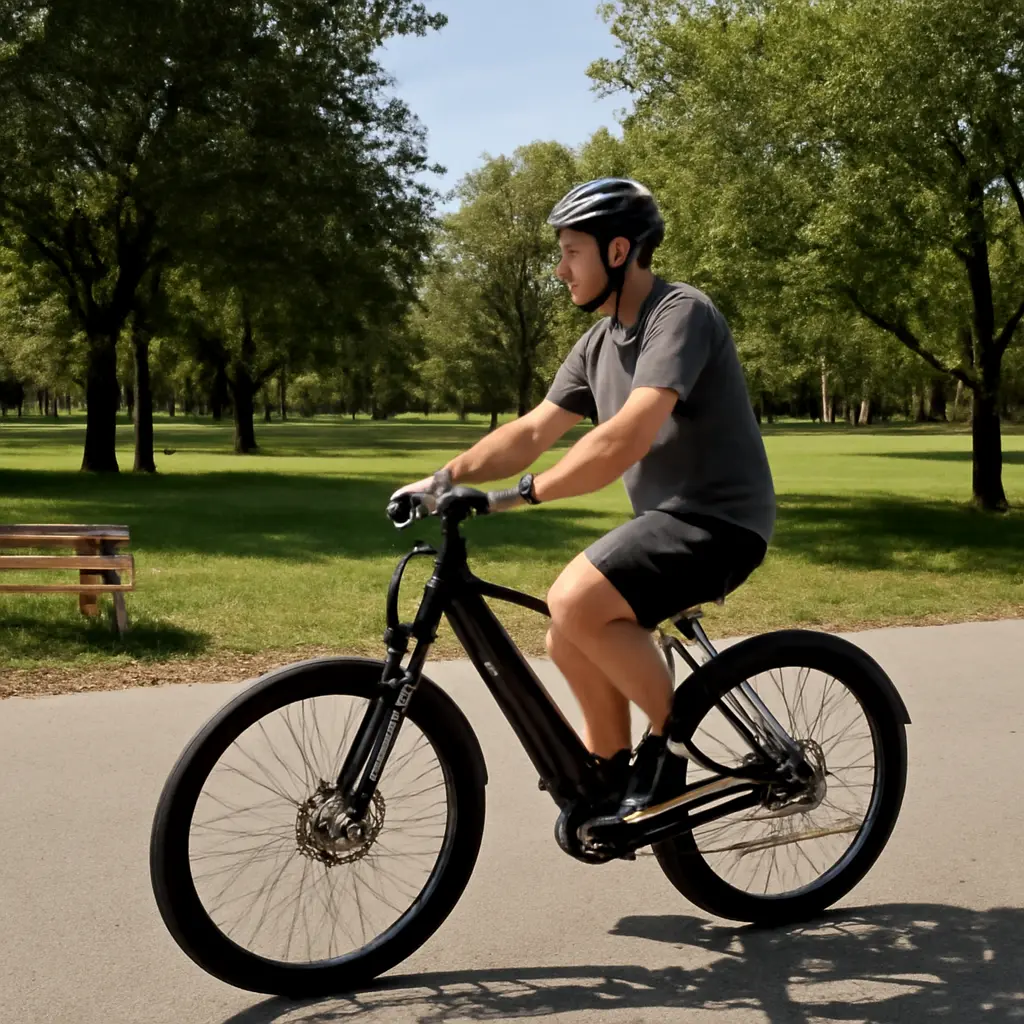
An electric bike, or e-bike, is a bicycle equipped with an electric motor that assists pedaling or, on some models, propels the bike without pedaling. Before purchasing one, compare how you will ride with the bike’s class, range, battery, fit, safety equipment, service support, and total cost. Those checks matter as e-bikes become a more common transportation option: PeopleForBikes reported that U.S. e-bike sales grew from about 287,000 in 2019 to more than 1.1 million in 2022. The figures make the market’s rapid growth clear, but choosing well depends on matching a particular bike to your routes and needs—not simply buying the model with the biggest battery or motor.
E-bike types and classes determine where and how you can ride
An e-bike’s type describes its design and intended use; its class generally describes how its motor provides assistance and the speed at which that assistance ends. The U.S. Consumer Product Safety Commission defines a low-speed electric bicycle under federal law as a two- or three-wheeled vehicle with fully operable pedals, a motor under 750 watts, and a motor-only maximum speed under 20 mph on a paved, level surface when ridden by an operator weighing 170 pounds. That federal definition is not a substitute for state and local rules, which may distinguish e-bike classes and restrict access to particular trails or paths.
Common U.S. class labels are Class 1, with pedal assistance up to 20 mph; Class 2, with a throttle that can propel the bike up to 20 mph; and Class 3, with pedal assistance up to 28 mph. These classifications are widely used, but local regulations and permitted routes vary. Check rules for your state, city, parks, and intended paths before choosing a class. A bike that is legal on streets may not be permitted on every trail.
Choose a bike type for your everyday routes
An e-bike’s frame, tires, gearing, and carrying capacity should suit the surfaces and tasks you expect to handle. Commuter and hybrid models typically prioritize paved routes and practical accessories; cargo bikes are designed to carry children or substantial loads; folding bikes can be convenient where storage or transit connections matter; and mountain e-bikes are built for off-road riding. These categories overlap, so compare the actual equipment and manufacturer’s load limits rather than relying on the category name alone.
For example, a rider combining a train journey with a short city commute may value a folding frame and manageable weight, while someone transporting groceries may need a cargo rack, stable handling, and sufficient permitted payload. For mixed pavement and light gravel, wider tires and a more upright position may be useful. If you plan to carry passengers or cargo, verify the bike’s maximum gross vehicle weight and whether the rack, seat, and accessories are rated for that use.
Match the motor and class to your riding needs
A motor’s wattage alone does not tell you how a bike will feel. Assistance also depends on the motor’s torque, control system, gearing, total bike load, and the steepness of your routes. A pedal-assist system responds when you pedal; a throttle offers propulsion without continuous pedaling on eligible models. Test both if possible, paying attention to how smoothly assistance starts and stops, how easy it is to control at low speed, and whether the bike feels manageable on hills.
Consider speed limits as well as acceleration. A Class 3 bike can help reduce travel time on longer commutes, but its higher assisted speed may be unsuitable where your route has restrictions or where you prefer slower shared-path riding. Verify the model’s exact class, throttle behavior, and maximum assisted speed in the manufacturer’s specifications and check local access rules.
Battery range and charging shape everyday usability
Battery range is the distance a bike can travel on a charge under specified or estimated conditions. It is not a guaranteed distance: rider and cargo weight, hills, wind, temperature, tire pressure, assist level, stop-and-go riding, and battery age can all affect it. The U.S. Department of Energy notes that cold temperatures reduce the performance of lithium-ion batteries, a relevant consideration for winter riders and anyone storing or charging a bike in a cold environment.
Compare a manufacturer’s range estimate with your actual round trip, then leave a practical reserve for detours, weather, and battery aging. Ask whether the estimate was measured on a low-assistance setting and whether a replacement battery is available. A larger battery may increase range, but it can also add cost and weight.
Check battery capacity, charging, and replacement
Battery capacity is commonly stated in watt-hours (Wh), calculated by multiplying voltage by amp-hours. It offers a useful basis for comparing batteries, but it does not by itself predict real-world range. Confirm whether the battery is removable, how long a full charge takes, what charger is included, and whether you can charge it conveniently at home or work. For an apartment or office, check the bike’s weight and the manufacturer’s instructions for carrying and storing the battery.
Battery replacement is an ownership cost, so ask about price, availability, warranty coverage, and expected service support before purchase. The U.S. Consumer Product Safety Commission warns consumers to use the charger supplied with the product or one approved by the manufacturer and not to use damaged batteries or chargers. Look for a clear battery safety certification and follow the maker’s instructions for charging, storage, and inspection.
Estimate your range under realistic conditions
A useful range estimate starts with your longest routine ride, including the return trip if you cannot recharge at your destination. Add extra capacity for steep climbs, a heavy load, high assistance, cold weather, or an aging battery. If a retailer offers a test ride, use a route that resembles your normal trip and try more than one assistance level. A display’s remaining-range estimate is helpful for planning, but it is still an estimate rather than a guarantee.
Fit, handling, and safety equipment affect control
Fit is the relationship between the rider’s body and the bike’s frame, contact points, and controls. A well-fitted e-bike should allow a comfortable riding position, confident starts and stops, and easy access to the brakes and controls. Because motors and batteries can make e-bikes heavier than conventional bicycles, fit and handling are particularly important when maneuvering at low speeds, carrying the bike, or stopping on an incline.
Test frame fit, weight, and load limits
Test the frame size and riding position rather than choosing by wheel size or appearance. Check that you can mount and dismount comfortably, reach the handlebars and brake levers, and put a foot down when stopped. Ask the dealer to explain the bike’s weight and maximum rider-plus-cargo limit. If you need to lift it onto a rack, up stairs, or into a vehicle, confirm that the task is practical with the battery installed or removed.
Take a test ride that includes a start, a stop, a turn, and—if relevant—a hill. Notice whether the motor engages predictably and whether the bike remains stable with the accessories or load you plan to use. A passenger seat or cargo rack should be purpose-built and rated for the intended weight; do not assume that a standard rack can carry a child or heavy load.
Plan for braking, visibility, and protective gear
Brakes, tires, lights, and reflectors are essential safety equipment. Check that the brakes are appropriate for the bike’s weight and intended speed, that the tires suit your surfaces, and that lights are visible in the conditions when you ride. The National Highway Traffic Safety Administration recommends wearing a properly fitted bicycle helmet and following traffic laws. A helmet that meets the applicable safety standard, combined with bright clothing and working lights, can improve protection and visibility, though no equipment eliminates crash risk.
Before regular use, learn how the motor affects acceleration and braking. Practice in a quiet area, especially if you are new to e-bikes or moving from a conventional bicycle to a heavier, faster model. Keep tires properly inflated, inspect brakes and lights, and follow the manufacturer’s maintenance schedule.
Total cost and service support determine long-term value
The purchase price is only one part of an e-bike’s cost. Accessories, maintenance, replacement parts, battery replacement, secure storage, and insurance where appropriate can affect the cost of ownership. Compare a complete setup rather than bare-bike prices, and make sure the model can be serviced where you live.
Compare total ownership costs
Build a budget that includes a helmet, a high-quality lock, lights if not included, a rack or panniers if needed, and routine maintenance. Ask about the warranty period and what it covers for the frame, motor, battery, and electronic components; these may have different terms. Check whether labor and shipping are included, how warranty claims are handled, and whether the seller is authorized to provide service.
A lower-priced bike may be a poor value if replacement batteries or proprietary parts are difficult to obtain. Conversely, a more expensive model is not automatically the better choice if it has features you will not use. Compare specifications, included equipment, service access, and warranty terms against your real riding needs.
Verify repairability and parts availability
Ask a local bike shop whether it will service the model and its electrical system, and whether routine parts such as brake pads, tires, displays, and batteries are readily available. E-bike systems can use brand-specific components and diagnostic tools, so the presence of a nearby dealer or qualified repairer can make a meaningful difference. A clear maintenance plan should cover the drivetrain, brakes, tires, battery, and any software or electrical checks specified by the manufacturer.
A practical pre-purchase checklist helps make the choice
Before committing, compare candidate bikes against the route, rider, and support requirements you have identified. A short checklist can expose mismatches that a product description or headline range figure may obscure.
- Confirm the bike’s class, motor behavior, and local rules for your streets and paths.
- Choose a frame and bike type suited to your riding position, terrain, storage, and cargo needs.
- Compare battery capacity and realistic range with your longest routine trip, including a reserve.
- Test ride to assess fit, braking, handling, assistance, and weight.
- Check the payload limit, accessory ratings, and whether the bike can carry your intended load.
- Review battery charging and safety instructions, warranty terms, and replacement-battery availability.
- Price the required lock, helmet, lights, accessories, maintenance, and likely replacement parts.
- Confirm that a qualified local shop can service the motor, battery, and other components.
Conclusion: Choose an e-bike that fits the ride you will actually make
A sound e-bike purchase begins with the bike’s type and class, then checks whether its battery range, fit, handling, safety equipment, and service support meet your needs. Sales growth reported by PeopleForBikes shows why more consumers are considering e-bikes, but popularity alone cannot determine the right model. Check local riding rules, test ride shortlisted options, and compare the full cost of ownership—including battery and repair support—before buying. For further preparation, consult your local transportation authority’s e-bike rules, the manufacturer’s safety and maintenance guidance, and a qualified bicycle retailer or repair shop.
Sources: PeopleForBikes, U.S. Bicycle Market Data: E-Bike Sales, https://www.peopleforbikes.org/statistics/electric-bicycle-sales; U.S. Consumer Product Safety Commission, Federal Law Regarding the Definition of “Low-Speed Electric Bicycle,” https://www.cpsc.gov/Business–Manufacturing/Business-Education/Business-Guidance/Low-Speed-Electric-Bicycles; U.S. Department of Energy, Batteries, https://www.energy.gov/energysaver/batteries; U.S. Consumer Product Safety Commission, Micromobility Products and Lithium-Ion Battery Safety, https://www.cpsc.gov/Safety-Education/Safety-Education-Centers/Micromobility-Information-Center; National Highway Traffic Safety Administration, Bicycle Safety, https://www.nhtsa.gov/road-safety/bicycle-safety