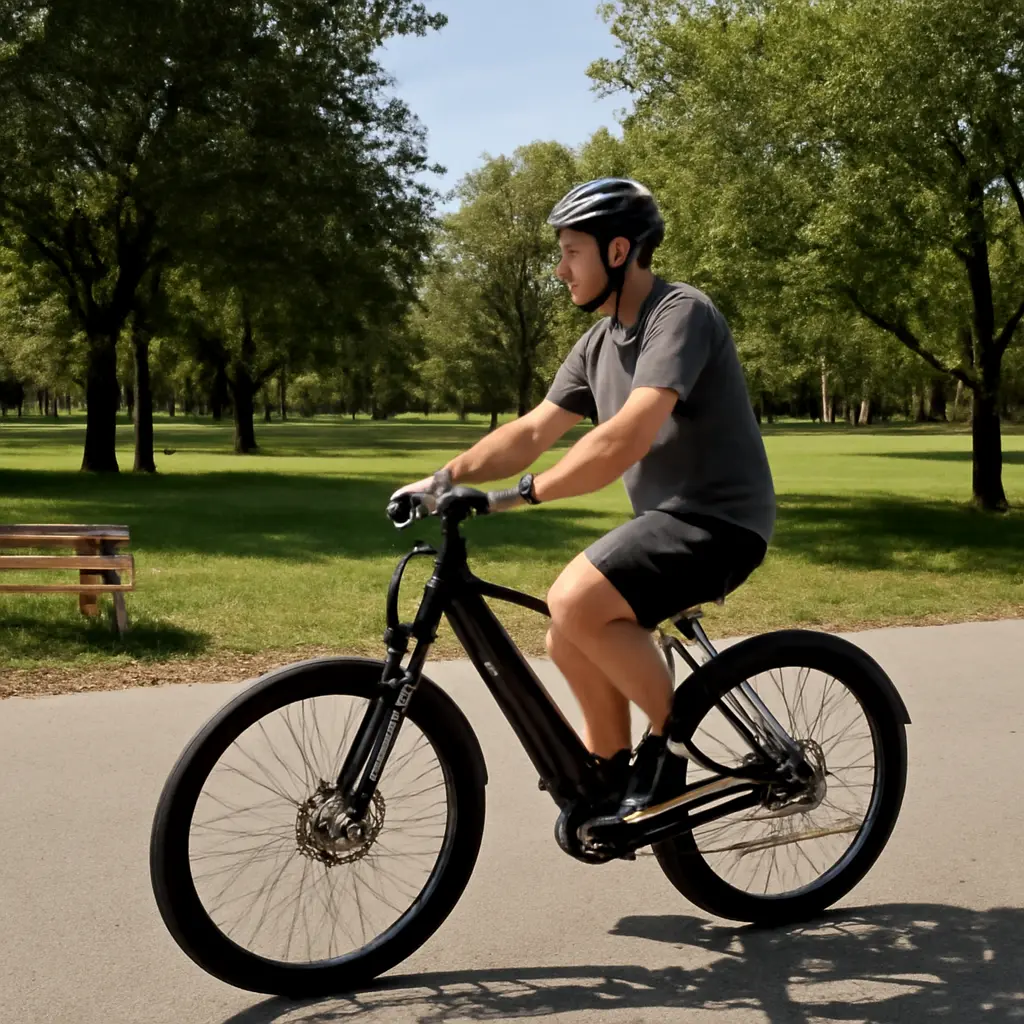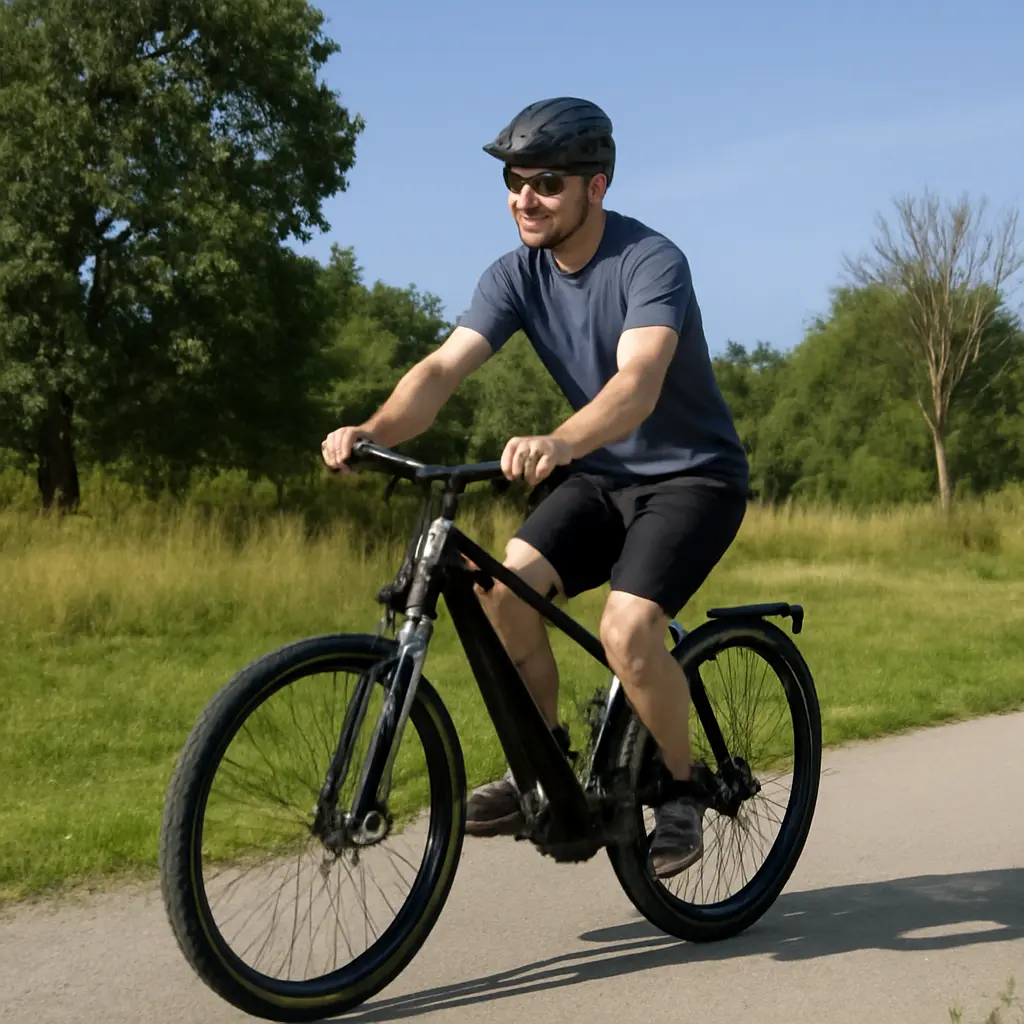
An electric bike, or e-bike, is a bicycle equipped with an electric motor that assists pedaling or, on some models, propels the bike through a throttle. Before buying one, match its class and motor to local laws and your routes; compare battery capacity, range, fit, brakes, and total ownership costs; and test-ride the specific model. These checks matter as e-bike use grows: PeopleForBikes reported that U.S. e-bike sales rose sharply during the pandemic-era cycling boom, while safety agencies continue to emphasize that e-bikes are heavier and faster than many conventional bicycles. Here are ten practical things to know before you buy.
1. E-bike classes determine where and how you can ride
An e-bike class describes how its motor provides assistance and its maximum assisted speed. In the widely used three-class framework promoted by PeopleForBikes, the categories are defined by pedal assistance, throttle availability, and speed—not simply by motor wattage. Rules can differ by state, city, trail manager, and land agency, so confirm local requirements before purchasing.
- Class 1: Pedal-assist only, with assistance stopping at 20 mph.
- Class 2: Pedal assistance and a throttle, with motor assistance stopping at 20 mph.
- Class 3: Pedal-assist only, with assistance stopping at 28 mph; some jurisdictions also impose age, helmet, or path restrictions.
A class label does not guarantee that a particular path allows the bike. Check where the motor-assisted bike may be used, whether a helmet is required, and whether local rules distinguish paved paths from natural-surface trails. If you cross state or municipal boundaries, verify the rules for each area.
2. Motor type and power affect the ride
An e-bike motor adds assistance in response to pedaling or throttle input. The two common layouts are hub-drive motors, mounted in a wheel, and mid-drive motors, mounted near the pedals. A motor’s watt rating is only one part of its performance: torque, control programming, gearing, rider weight, and terrain also affect acceleration and hill-climbing.
Hub-drive motors
A hub motor drives the front or rear wheel directly. These systems are often straightforward and can suit commuting on relatively level routes. Ask how the motor affects wheel removal and whether the shop can service the electrical components.
Mid-drive motors
A mid-drive motor applies power through the drivetrain, which can help riders use the bicycle’s gears on climbs. Because the motor works through the chain and cassette, those parts may experience more wear. On a test ride, compare how naturally each system responds when starting, climbing, and changing gears.
3. Battery capacity is not the same as real-world range
Battery capacity, usually stated in watt-hours (Wh), indicates stored energy: roughly, volts multiplied by amp-hours. It is useful for comparing batteries, but it does not guarantee a particular distance. The U.S. Department of Energy’s Alternative Fuels Data Center notes that electric-bike energy use varies with factors such as rider and cargo weight, speed, terrain, and operating conditions. Wind, temperature, tire pressure, assist level, and repeated stops can also change range.
Estimate range for your own trips
Ask the manufacturer or retailer how range estimates were measured, then treat them as estimates rather than promises. Compare the battery’s Wh rating and the bike’s stated range with your longest routine trip, including the return journey and a reserve for detours or adverse conditions. A removable battery may be easier to charge indoors, but confirm its weight, locking method, and replacement availability.
Check charging and battery care
Find out how long a full charge takes, whether the charger is included, and what the warranty covers. Use the supplied or manufacturer-approved charger, follow the manual’s storage guidance, and stop using a battery that is damaged, unusually hot, or swollen. The U.S. Consumer Product Safety Commission warns that lithium-ion battery failures can cause fires; safe charging and using compatible equipment are essential.
4. Fit, weight, and carrying practicality matter
A correctly sized e-bike should feel stable and controllable, with comfortable reach to the handlebar and brake levers. Battery and motor hardware make many e-bikes heavier than comparable non-electric bicycles, so check the actual weight—not just appearance—especially if you will carry the bike up stairs, lift it onto a rack, or store it in a small space.
Test whether you can mount and dismount confidently, stand over the frame, steer at low speed, and handle the bike when the motor is off. If you need a step-through frame, child seat, cargo rack, or folding design, confirm that the specific configuration supports those accessories and remains within its rated load limit.
5. Brakes, tires, and handling should match your use
Brakes convert motion into heat and help the rider control speed. Because an e-bike can carry more weight and maintain higher average speeds than a conventional bicycle, stopping performance deserves particular attention. Hydraulic and mechanical disc brakes are common; both require correct setup and maintenance, and performance depends on the whole system, including rotors, pads, tires, and conditions.
On a supervised test ride, check that the brakes feel predictable and can slow the bike smoothly. Look for tires suited to your route: puncture protection for daily commuting, wider tires for rough surfaces, or a tread pattern appropriate for the conditions. A comfortable saddle and suitable suspension may help on uneven roads, but suspension adds weight and maintenance, so choose it for a real need rather than as a default feature.
6. The right e-bike type depends on your route and purpose
E-bike styles are designed around different uses. Choosing by your typical trips is more reliable than selecting by appearance or the highest advertised specification.
- Commuter and hybrid e-bikes: Suited to paved roads and everyday errands; check lights, fenders, rack mounts, and riding position.
- Cargo e-bikes: Built to carry children, groceries, or equipment; check payload limits, braking, wheelbase, and how the loaded bike handles.
- Folding e-bikes: Useful where storage or transit connections matter; inspect folded dimensions, weight, and the security of the folding mechanism.
- Mountain e-bikes: Intended for off-road riding; verify trail access rules, suspension setup, tire choice, and the added cost of specialized maintenance.
- Road and gravel e-bikes: Designed for longer rides or mixed surfaces; compare riding position, gearing, tire clearance, and battery range.
The best category is the one that fits your actual terrain, cargo, storage, and riding frequency. A heavy cargo bike may be excellent for school trips but inconvenient on stairs; a lightweight road model may be inefficient for carrying bulky loads.
7. Total cost includes more than the purchase price
The total cost of ownership includes the bike, accessories, routine service, replacement parts, and possible battery replacement. Before comparing prices, check whether the bike includes a charger, lights, rack, fenders, kickstand, and lock—or whether those are extra. Ask about the cost and availability of tires, brake pads, drivetrain parts, and a compatible replacement battery.
A local dealer can provide fitting, warranty help, and repairs, while an online purchase may require you to assemble the bike or arrange service independently. Compare the complete offer: delivery, assembly, first service, return terms, and who handles warranty claims. If available where you live, check whether a rebate or incentive applies to your chosen model and purchase date.
8. Service and replacement parts affect long-term reliability
An e-bike is both a bicycle and an electrical system, so serviceability matters. Ask which shop can diagnose the motor and battery, whether it supports the brand’s software, and where repairs are handled. Proprietary batteries and electronics may limit replacement options, even if standard bicycle parts such as tires and brake pads are easier to source.
Get the warranty terms in writing, including coverage periods for the frame, motor, battery, and display; exclusions; and whether labor and shipping are covered. Check that the serial number is recorded and keep proof of purchase and maintenance records. A manufacturer with clear support and available parts may be a better long-term choice than a less expensive bike with uncertain service.
9. Security, storage, and transport need a plan
E-bikes can be costly and difficult to replace, so plan how you will secure and store yours. Use a high-quality lock through the frame and a fixed object, and consider securing a wheel as well. Register the bike where a recognized registry is available, photograph its serial number, and check whether your home or renters insurance covers theft and accessories.
For car transport, verify the rack’s per-bike and total weight limits and whether it is designed for e-bikes. A removable battery can reduce carrying weight, but follow the rack and battery manufacturers’ instructions. At home, choose a dry, secure charging location and follow the battery maker’s storage and charging guidance.
10. A test ride and safety check are essential
A test ride reveals details that a specification sheet cannot: fit, balance, motor response, noise, braking, and confidence in traffic. If possible, ride the exact model and frame size you plan to buy, on a route that includes a hill, a turn, and a stop. Test each assistance level and, where legal and available, the throttle; also check how the bike behaves when assistance cuts out.
Before riding regularly, learn the controls, set the saddle and brake levers, and check tire pressure, lights, and brakes. The National Highway Traffic Safety Administration advises cyclists to wear a properly fitted helmet, remain visible, and follow traffic laws. New riders should practice starts, stops, and tight turns in a quiet area before riding in busy traffic.
Conclusion: Choose an e-bike for the ride you will actually do
The ten essentials are class and local rules, motor design, realistic battery range, fit and weight, braking and handling, bike type, full cost, service support, security, and a careful test ride. Together, these factors help you choose a bike that is legal for your routes, practical to maintain, and comfortable enough to use consistently. Before paying, verify the rules where you ride, ask a qualified retailer about service and battery support, and test the bike with your real-world needs in mind.
Sources: PeopleForBikes, E-Bike Classification, https://www.peopleforbikes.org/electric-bikes; U.S. Department of Energy, Alternative Fuels Data Center, Electric Bicycles, https://afdc.energy.gov/vehicles/electric_bicycles.html; U.S. Consumer Product Safety Commission, Electric Bicycles, https://www.cpsc.gov/Safety-Education/Safety-Education-Centers/Electric-Bicycles; National Highway Traffic Safety Administration, Bicycle Safety, https://www.nhtsa.gov/road-safety/bicycle-safety; PeopleForBikes, U.S. Bicycle Sales Data, https://www.peopleforbikes.org/statistics/electric-bikes