An electric bike is a bicycle powered by pedals and an electric motor, typically drawing energy from a rechargeable battery. To avoid regretting a purchase six months later, don’t shop by headline speed, range claims, or discount alone: check that the bike suits your routes and body, verify its battery and replacement support, and confirm it can be serviced safely. Those checks matter because an e-bike is a long-term transportation product, not just a motor and a price tag. The U.S. Consumer Product Safety Commission has warned of fires involving lithium-ion batteries in micromobility products, while real-world range varies with factors such as rider weight, hills, temperature, and assist level. The sections below explain how to assess fit, range, safety, serviceability, and total cost before buying.
E-bike purchase fit determines whether the bike works for your everyday trips
Purchase fit means how well an e-bike’s design, performance, and support match a rider’s intended use. There is no single “best” e-bike for everyone: a commuter carrying a laptop, a parent hauling a child, and a rider on steep unpaved trails need different equipment. The U.S. Department of Energy’s Alternative Fuels Data Center describes electric bicycles as pedal bicycles equipped with a small electric motor; in practice, buyers should also consider the bicycle’s legal classification, local rules, and whether the motor assists only while pedaling or also through a throttle.
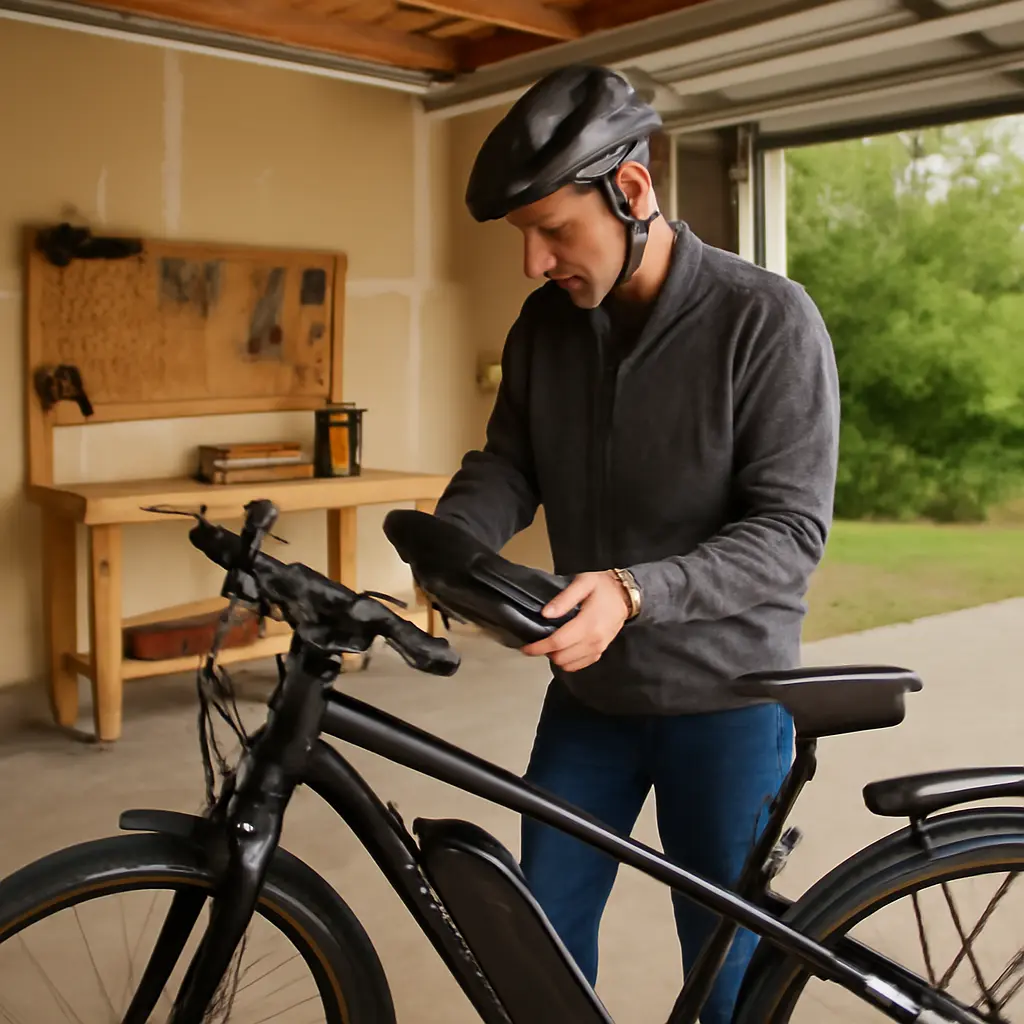
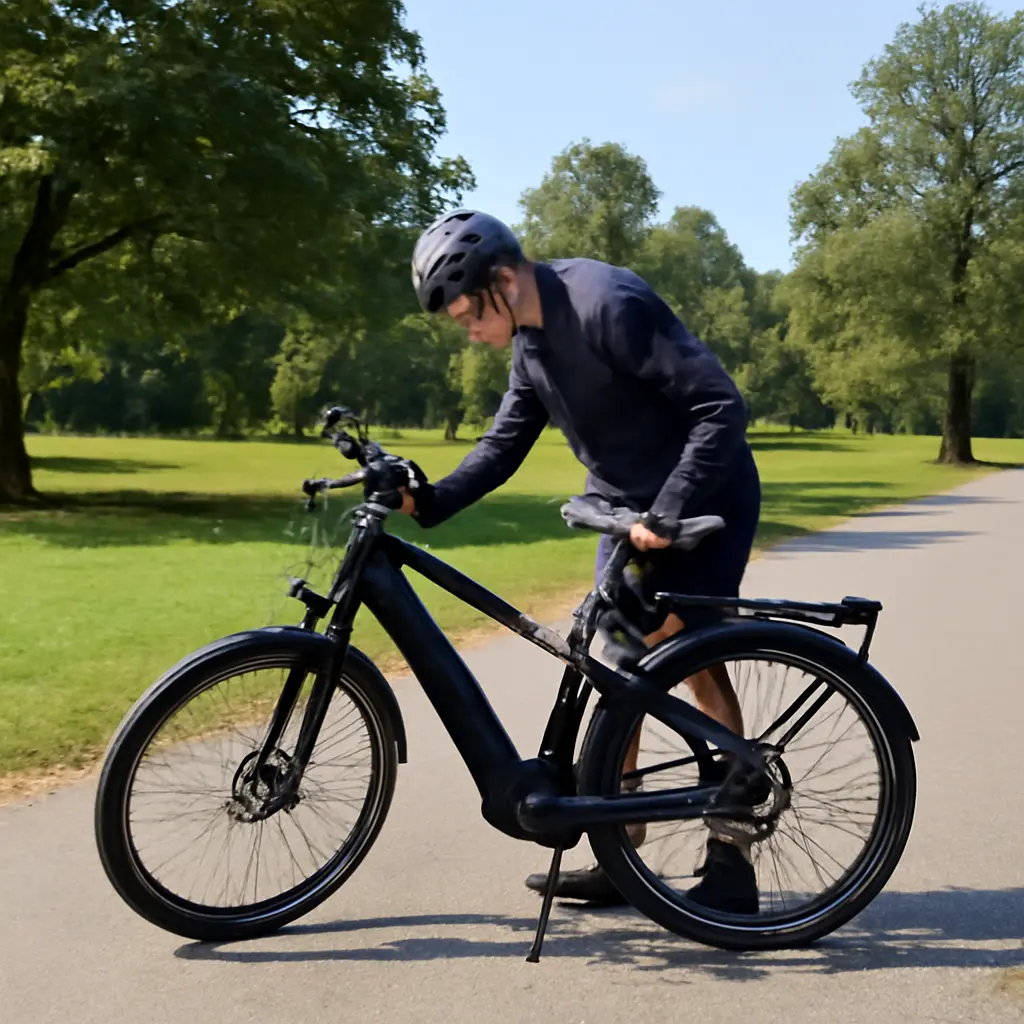
Start with the trip rather than the product listing. Write down the usual one-way distance, elevation changes, road surface, cargo, secure parking, and charging options. Then test ride a suitable model, if possible, and check that you can comfortably mount, stop, steer, and lift or store it. A bike that looks powerful online may be a poor match if it is too heavy for your stairs or awkward to control in traffic.
Commuter and utility e-bikes
A commuter e-bike is built for regular paved trips, while a utility or cargo e-bike is designed to carry groceries, work equipment, or passengers within its stated limits. Both categories may offer racks, lights, fenders, and upright riding positions, but accessories and carrying capacity vary. Check the manufacturer’s maximum system weight, which generally includes rider, bike, and cargo, and make sure the rack or child seat is approved for the intended load.
For a daily commute, pay attention to tire puncture protection, braking performance, lights, and how easily the battery can be removed for charging. For cargo, test the bike under load if the retailer permits it: added weight changes acceleration, braking distance, and handling. A claimed high motor output cannot compensate for poor fit or inadequate brakes.
Folding and off-road e-bikes
A folding e-bike prioritizes compact storage and portability, often using smaller wheels and a folding frame. Those features can help apartment dwellers or mixed-mode commuters, but buyers should verify folded dimensions, lifting weight, hinge security, and whether the bike fits the actual storage space. “Portable” does not mean lightweight: the battery and motor can make some models cumbersome to carry.
An electric mountain bike is intended for off-road terrain and typically has trail-focused tires, suspension, and stronger components. It may be unnecessarily heavy or expensive for paved commuting. Conversely, a basic city bike may not be appropriate for rough trails. Choose the category based on the surface and handling demands you will regularly encounter, not on the most dramatic use shown in an advertisement.
E-bike range claims need to match your route and riding conditions
E-bike range is the distance a bike can travel on a battery charge under specified conditions. It is not a guaranteed distance: the same battery can deliver different results depending on terrain, wind, temperature, rider and cargo weight, tire pressure, assist level, speed, and battery age. Treat a maximum-range figure as a best-case estimate unless the seller explains how it was measured.
Battery capacity is not the same as real-world range
Battery capacity is commonly stated in watt-hours (Wh), a measure of stored energy. A higher Wh figure can provide more energy, but it does not establish a precise number of miles: motor efficiency, route conditions, and riding behavior also matter. Ask the retailer for a realistic range estimate for your route and intended assist setting, and leave a reserve rather than planning to use every advertised mile.
A simple comparison is to consider battery capacity alongside the bike’s intended use and the manufacturer’s test assumptions. If a listing gives a large range but omits battery capacity, rider weight, terrain, and assist level, the figure is difficult to evaluate. Compare like with like, and ask whether the displayed range is for eco mode, flat ground, or a particularly light rider.
Charging access and replacement costs affect ownership
A removable battery can make charging easier, but it should lock securely and be charged only with the compatible charger specified by the manufacturer. Before buying, ask whether replacement batteries are available, what they cost, and how long the brand expects to support the model. If the battery is proprietary or difficult to source, an otherwise functional bike could become costly to keep in service.
The U.S. Department of Energy notes that lithium-ion battery performance and lifespan depend on use and operating conditions. Avoid assuming that a battery will retain its original capacity indefinitely. Review the warranty’s battery coverage, including its duration and any capacity-retention threshold, and consider whether the bike can meet your needs as the battery ages.
E-bike battery safety depends on certified equipment and careful charging
Battery safety is the ability to charge, store, and use an e-bike’s battery without creating an unreasonable fire or injury risk. Lithium-ion batteries store substantial energy in a compact space; damaged, poorly made, or incorrectly charged battery systems can overheat and ignite. The U.S. Consumer Product Safety Commission has issued warnings and recalls involving micromobility batteries and chargers, making product documentation and safe charging practices essential parts of a buying decision.
Look for independent testing and matched components
A safer purchase is a complete system whose battery, charger, and electrical components are designed to work together and have been evaluated to applicable safety standards. UL Solutions identifies UL 2849 as a standard for the electrical systems of e-bikes; UL 2271 covers batteries for light electric vehicle applications. Ask what certification applies to the specific model and battery, and request documentation rather than relying on vague claims such as “UL-style” or “tested to standards.”
Avoid replacing a battery or charger with an unverified third-party product simply because the connector fits. The CPSC advises consumers to use the charger supplied with the product and to follow the manufacturer’s instructions. If a battery is swollen, unusually hot, damaged, leaking, or producing an odor, stop using it and follow the manufacturer’s and local fire department’s guidance.
Plan for safe charging and storage
Charge the bike in a location recommended by its manufacturer, away from exit routes and combustible materials, and do not leave it charging unattended or overnight unless the instructions explicitly allow that practice. Keep batteries out of extreme heat and cold, protect them from impact and water exposure beyond their stated rating, and do not modify the electrical system. These precautions are especially important in shared buildings, where a fire can affect neighbors as well as the owner.
E-bike serviceability can make or break long-term value
Serviceability is how readily a bike can be diagnosed, repaired, and supplied with parts over its useful life. A low purchase price can become a poor bargain if the local shop cannot work on the motor system, the manufacturer does not provide replacement parts, or a minor electrical fault requires replacing an entire assembly. Before paying, identify who will service the bike and what the warranty actually covers.
Confirm local repair support and parts availability
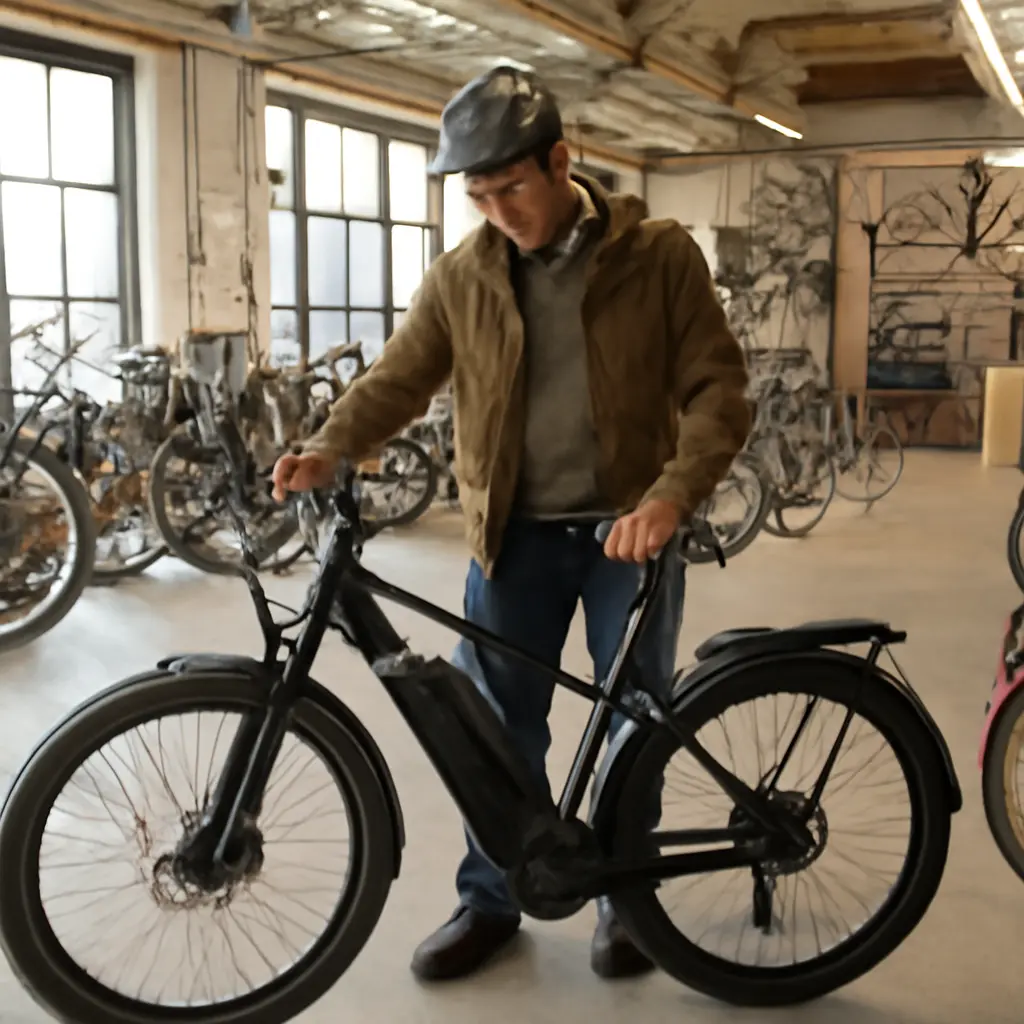
Ask nearby bicycle shops whether they service that brand and motor system, whether they will work on bikes bought online, and what routine maintenance costs. Confirm that commonly needed parts—such as brake pads, tires, display units, batteries, and chargers—can be ordered. A reputable seller should be able to explain how warranty repairs are handled and where the bike must be taken or shipped.
A 2023 report from the New York City Department of Consumer and Worker Protection, issued amid the city’s response to battery fires, highlighted concerns about unsafe, uncertified products and the need for safer micromobility batteries. For buyers, the practical lesson is to favor transparent brands with traceable products, clear support channels, and repair options rather than anonymous listings that provide little recourse after delivery.
Read the warranty before treating a discount as a deal
An e-bike warranty is the seller’s or manufacturer’s written promise to repair or replace covered parts under defined conditions. Compare coverage for the frame, motor, battery, electronics, and labor; note exclusions for water damage, commercial use, modifications, and normal wear. Check whether the warranty begins on purchase or delivery, whether registration is required, and who pays shipping for a claim.
A large markdown is less compelling when the seller cannot explain warranty service or parts availability. Keep the receipt, serial number, manuals, and battery documentation. If the bike is recalled, those records can help identify the exact product and obtain the remedy.
E-bike total ownership cost is more than the sticker price
Total ownership cost includes the purchase price plus equipment, maintenance, charging, repairs, replacement parts, and eventual battery replacement. It also includes practical costs such as secure storage and an appropriate lock. Comparing this broader cost with the value of trips the bike will actually replace can reveal whether a seemingly cheap bike is economical—or whether a pricier, repairable model is better value.
Budget for essential equipment and maintenance
Include a quality lock, lights if not integrated, a properly fitted helmet, a pump, and any rack or child-carrying equipment you need. Ask the retailer about the first service interval and routine costs for brake adjustments, tire replacement, drivetrain wear, and software or electrical diagnostics. E-bikes are heavier and often faster than conventional bicycles, so brakes and tires deserve particular attention.
Check local rules before choosing speed or motor type
E-bike definitions and access rules vary by jurisdiction. In the United States, many states use a three-class framework distinguishing pedal-assist and throttle-equipped models by assisted speed, but details and local restrictions differ. The PeopleForBikes state law database summarizes state-level rules; buyers should verify current local laws governing trails, bike lanes, age limits, helmets, and speed. A bike that is unsuitable or restricted on the routes you use can undermine its value regardless of its advertised performance.
A six-month regret check before you buy
Use this checklist to compare candidate bikes on the needs that determine daily satisfaction, not just on specifications that look impressive in an advertisement.
- Does the bike fit your height, riding position, route, cargo, and storage situation?
- Can the seller explain realistic range for your route and assist level, with enough reserve?
- Are the battery, charger, and electrical system certified or otherwise documented to applicable safety standards?
- Can you buy a replacement battery and obtain repairs locally?
- Do the written warranty and return policy cover the parts most likely to be expensive?
- Have you checked local rules for the bike’s class, speed, and intended routes?
- Does the full cost—including a lock, maintenance, and likely repairs—fit your budget?
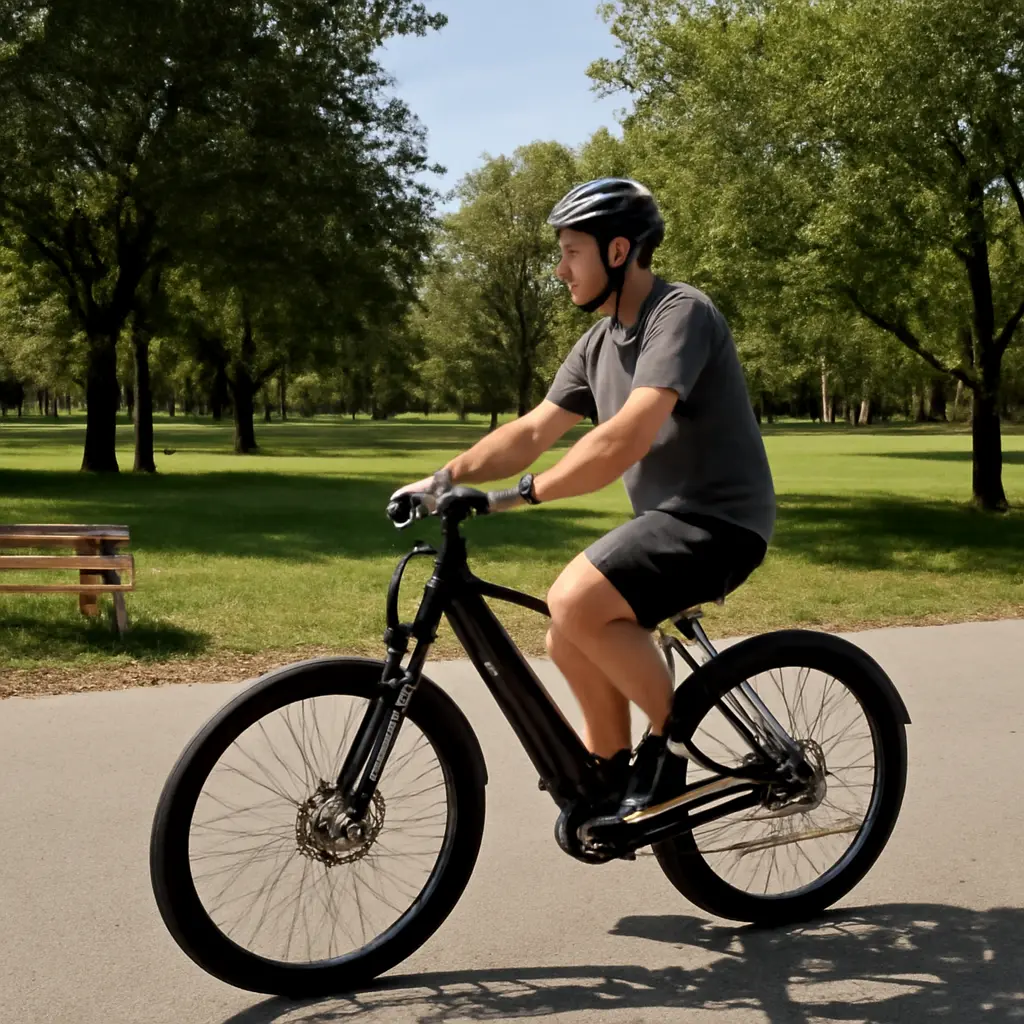
A test ride is one of the most useful checks. Try starting and stopping, shifting gears, using each assist level, turning at low speed, and lifting the bike if you will need to carry it. If the seller will not permit a test ride, provide clear specifications, or explain support and safety documentation, consider that a reason to pause rather than rush into a sale.
Conclusion: Buy the e-bike you can use, charge, and maintain
Avoiding e-bike regret starts with matching the bike to real trips, treating range as a variable rather than a promise, and checking battery safety, repair support, warranty terms, and total ownership cost. Commuter, cargo, folding, and trail bikes serve different purposes; the right choice is the one that fits your routes and can be kept safe and serviceable. Before purchasing, test ride when possible, verify current local rules, ask about certified equipment and replacement batteries, and get warranty details in writing. Those steps may take longer than clicking “buy,” but they are far less costly than discovering the bike does not fit your life.
Sources: U.S. Department of Energy, Alternative Fuels Data Center, “Electric Bicycles,” https://afdc.energy.gov/vehicles/electric_bicycles.html; U.S. Consumer Product Safety Commission, “Lithium-Ion Battery Safety,” https://www.cpsc.gov/Safety-Education/Safety-Education-Centers/Lithium-Ion-Battery-Safety; UL Solutions, “E-Bike Safety,” https://www.ul.com/services/e-bike-safety-certification; New York City Department of Consumer and Worker Protection, “NYC Issues Warning About E-Bike and E-Scooter Fires,” https://www.nyc.gov/site/dca/news/043-23/nyc-issues-warning-about-e-bike-e-scooter-fires; PeopleForBikes, “State Electric Bicycle Laws,” https://www.peopleforbikes.org/electric-bikes/state-laws