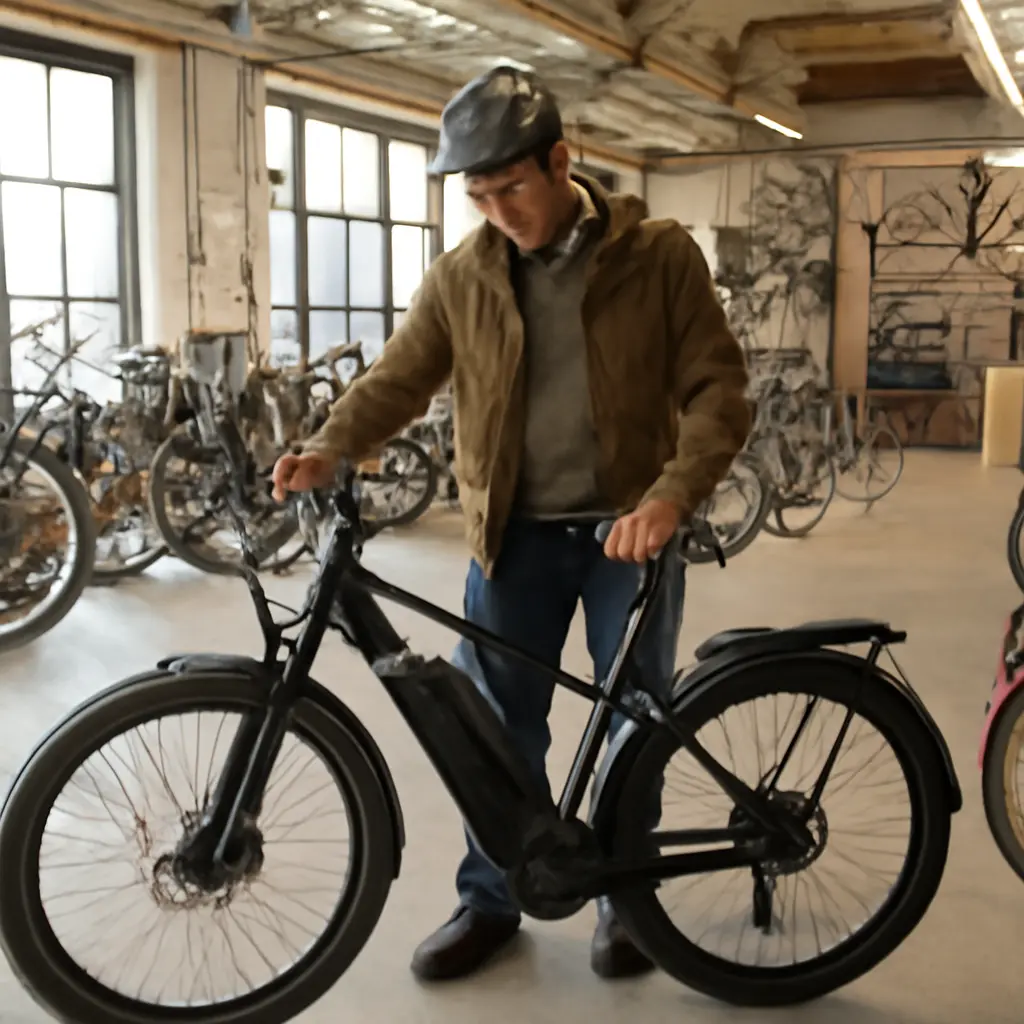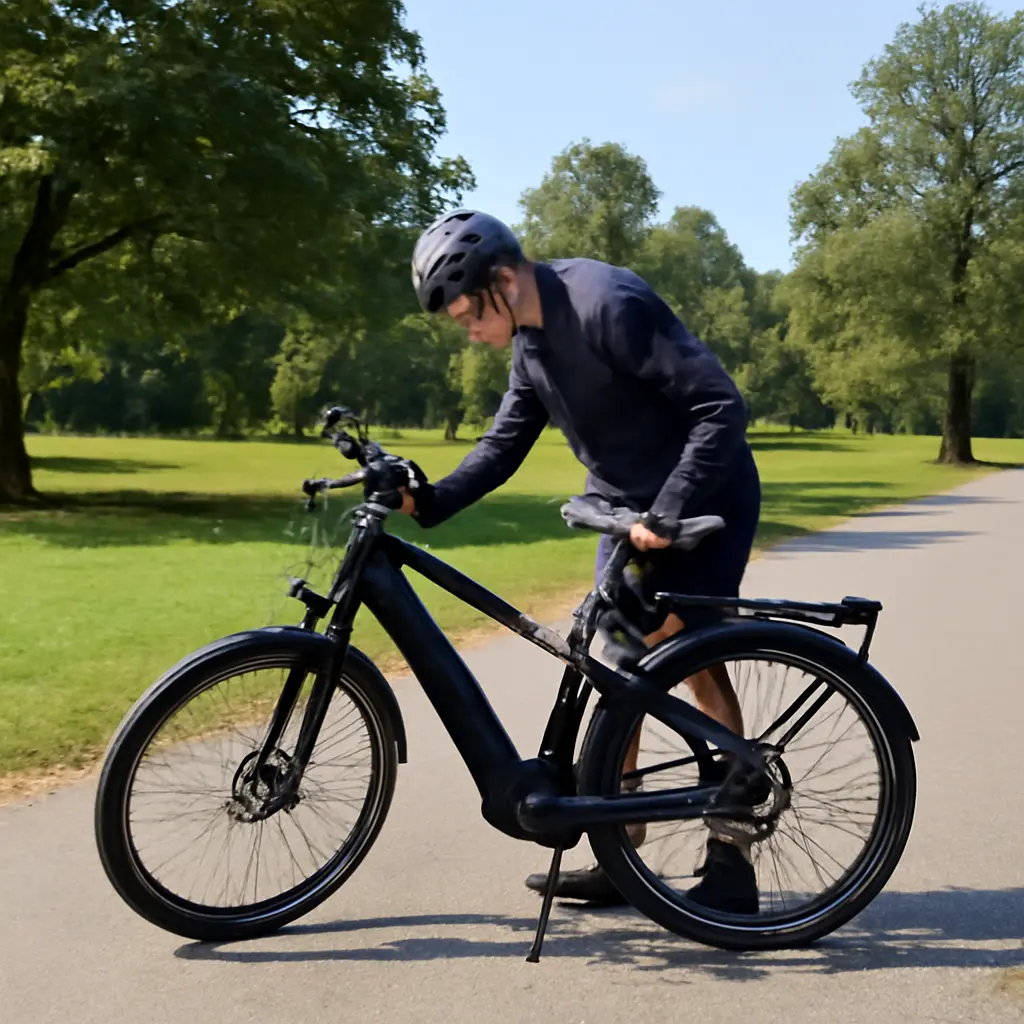
An electric bike, or e-bike, is a bicycle with an electric motor that assists pedaling and, on some models, can propel the bike without pedaling. Choosing one well means matching its motor and battery to your routes, checking fit and safety equipment, and considering service, warranty, and local rules—not simply choosing the highest advertised power or range. These details matter as e-bike use grows: PeopleForBikes reported that U.S. e-bike sales rose sharply during the pandemic-era cycling boom, while the U.S. Consumer Product Safety Commission has warned that lithium-ion battery fires can cause severe harm. The guide below explains the main buying criteria, from e-bike classes and motor systems to battery claims, fit, brakes, and ownership costs.
Match e-bike type and class to your riding
An e-bike’s class describes how its motor assists the rider; its bike type describes the riding position and intended terrain. These are related but distinct choices. The three-class framework is used in many U.S. jurisdictions, but local definitions and access rules can differ. PeopleForBikes describes the common framework as Class 1 pedal-assist up to 20 mph, Class 2 with pedal assist and a throttle up to 20 mph, and Class 3 pedal-assist up to 28 mph.
Class 1, Class 2, and Class 3
A Class 1 e-bike assists only while the rider pedals and stops assisting at 20 mph. A Class 2 model can provide assistance through pedaling or a throttle, also up to 20 mph. A Class 3 bike provides pedal assistance up to 28 mph and may be subject to additional age, helmet, or access requirements. Before buying, check the rules where you will ride: states, cities, parks, and trail managers may treat classes differently, and some restrict throttle use or Class 3 access.
Commuter, cargo, folding, and off-road designs
A commuter e-bike prioritizes efficient everyday riding, practical gearing, and fittings such as lights and racks. Cargo bikes use reinforced frames and extended carrying capacity for passengers or loads; folding models trade some frame size and wheel stability for compact storage; and e-mountain bikes are designed for rough terrain, often with suspension and knobby tires. Choose the design around your actual trips, parking, and load rather than assuming one category suits every use. For example, a rider carrying groceries may benefit more from a stable cargo setup and suitable brakes than from a high top speed.
Evaluate motor assistance and battery range
The motor and battery determine how assistance feels and how far the bike can travel between charges. A motor’s wattage or torque rating is only part of the picture: gearing, rider input, terrain, load, temperature, tires, and assistance level also affect performance. The U.S. Department of Energy’s guidance on electric-vehicle batteries emphasizes that capacity and operating conditions influence usable energy; the same basic principle applies when interpreting e-bike range claims.
Hub motors and mid-drive motors
A hub motor is fitted in the front or rear wheel, while a mid-drive motor is mounted near the crank and drives through the bicycle’s gears. Hub motors can offer straightforward, often cost-effective assistance for flat commutes. Mid-drives use the drivetrain’s gear range, which can feel useful on sustained hills or when carrying loads, but they may increase wear on chains and cassettes. Test both if possible: motor placement, noise, control response, and how assistance starts can matter more in daily use than a headline power figure.
Battery capacity, range, and charging
Battery capacity is commonly stated in watt-hours (Wh), calculated by multiplying voltage by amp-hours. A larger Wh figure generally means more stored energy, but it does not guarantee a fixed distance. Manufacturers’ range estimates can assume low assistance, light loads, flat routes, and favorable conditions. Hills, cold weather, heavy cargo, frequent stops, and high assist can reduce practical range. Compare batteries by capacity and ask the seller what test conditions underpin the range claim; then leave a margin for your longest regular trip and battery aging.
Controls, sensors, and assistance feel
Pedal-assist systems typically use cadence sensors, torque sensors, or a combination. A cadence sensor detects that the cranks are turning; a torque sensor measures how hard the rider pushes and can deliver assistance in proportion to effort. Neither is automatically best: cadence systems may feel more on-off, while torque-sensing systems often feel more responsive and natural. Test starts, low-speed turns, hill climbs, and changes between assist levels, and confirm that the display is readable and controls are easy to use without taking attention from the road.
Check fit, handling, and essential components
Because an e-bike is typically heavier and can travel faster than a conventional bicycle, fit and component quality affect comfort and control as well as convenience. A test ride helps reveal whether the frame size, riding position, steering, and power delivery suit the rider. The National Highway Traffic Safety Administration advises bicyclists to use properly fitted helmets and follow road-safety practices; an e-bike purchase should likewise include attention to protective equipment and visibility.
Frame fit, weight, and handling
Fit means the frame and contact points allow a stable, comfortable riding posture with controllable reach to the handlebars and brakes. Check the manufacturer’s size chart, but whenever possible ride the actual size. Lift or maneuver the bike if you must carry it up stairs or load it onto a rack: batteries and motors add weight, and removable batteries may make storage easier. Also test turning at low speed, mounting and dismounting, and stopping with the bike loaded as you expect to use it.
Brakes, tires, lights, and suspension
Brakes convert motion into stopping force, so their condition and suitability should match the bike’s speed, weight, and typical terrain. Hydraulic or mechanical disc brakes are common on e-bikes; inspect the feel at the lever and ask about pad and rotor maintenance. Tires influence grip, puncture resistance, and comfort, while lights and reflectors improve visibility. Suspension can help on rough paths but adds weight and maintenance; for smooth pavement, a well-chosen tire may be enough. Check that the bike’s fittings and accessories are rated for your intended passenger or cargo load.
Assess battery safety, service, and total cost
A purchase decision should include the support system behind the bike, particularly its battery, charger, replacement parts, and local repair options. The U.S. Consumer Product Safety Commission has issued safety guidance and recalls concerning micromobility batteries, underscoring the importance of using compatible equipment and following charging instructions. A low initial price may be less attractive if the battery is difficult to replace or qualified service is unavailable.
Battery certification and charging practices
Ask whether the complete e-bike electrical system—or the battery and charger—has been tested to a recognized safety standard, such as UL 2849 for e-bike electrical systems or UL 2271 for light electric vehicle batteries. Confirm the certification with the manufacturer or a trusted retailer rather than relying only on an online listing. Use the supplied or manufacturer-approved charger, charge in a suitable location, and stop using a battery that is damaged, unusually hot, swollen, or emitting an odor. CPSC guidance also recommends being alert to recalls and avoiding incompatible replacement batteries or chargers.
Warranty, repairs, and replacement parts
Warranty coverage is the manufacturer’s commitment to repair or replace specified components under stated conditions; it may differ for the frame, motor, battery, and electronics. Read the exclusions, duration, service process, and rules for commercial use or modifications. Ask a local shop whether it services the brand and can obtain batteries, displays, brake parts, and other proprietary components. A nearby service network can be particularly valuable because diagnosing electrical faults may require brand-specific tools or software.
Total ownership cost and useful accessories
Total ownership cost includes the purchase price plus maintenance, replacement wear parts, insurance where appropriate, locks, a helmet, lights, and secure storage. It may also include a compatible rack or charging setup. Compare the real package rather than the advertised base price: a commuter may need fenders and a rack, while a cargo rider may need child seating or weather protection. Ask for a written breakdown of included accessories, assembly, and service costs before buying.
Use a practical pre-purchase checklist
A short, structured test can expose mismatches that specifications do not show. The following checklist combines class, range, fit, safety, and ownership considerations into a single decision process.
- Write down your typical route, longest trip, hills, expected cargo, and storage constraints.
- Confirm the e-bike class is legal and permitted on the roads and paths you plan to use.
- Test ride at different assistance levels, including starts, braking, turns, and a representative hill if available.
- Compare battery capacity and realistic range assumptions with your longest trip, allowing a reserve.
- Check frame fit, total weight, brakes, tires, lights, and cargo ratings.
- Verify battery and charger safety information, warranty terms, repair access, and replacement-part availability.
- Calculate the full cost, including essential accessories, maintenance, and secure storage.
For a visual comparison, a buyer can create a simple scorecard with columns for class, motor type, battery Wh, weight, warranty, local service, and total price. This makes trade-offs visible: a bike with a smaller battery may be the better buy for short urban trips if it fits better and has dependable local support.
Conclusion: choose the e-bike that fits the whole trip
The best e-bike is not necessarily the one with the largest motor or the longest advertised range. Start by matching the class and bike type to your routes, then assess motor feel, battery capacity, fit, brakes, and handling. Finally, verify battery safety, warranty coverage, repair access, and the full cost of ownership. Test ride suitable models, check your local rules, and ask a qualified retailer to explain any specification or certification you cannot verify before purchasing.
Sources: PeopleForBikes, E-Bike Policy and Class Definitions, https://www.peopleforbikes.org/electric-bikes; U.S. Consumer Product Safety Commission, Micromobility Products and Lithium-Ion Battery Safety, https://www.cpsc.gov/Safety-Education/Safety-Education-Centers/Micromobility-Products; UL Standards & Engagement, UL 2849 Electrical Systems for E-Bikes, https://www.shopulstandards.com/ProductDetail.aspx?productId=UL2849; UL Standards & Engagement, UL 2271 Batteries for Use in Light Electric Vehicle (LEV) Applications, https://www.shopulstandards.com/ProductDetail.aspx?productId=UL2271; National Highway Traffic Safety Administration, Bicycle Safety, https://www.nhtsa.gov/road-safety/bicycle-safety; U.S. Department of Energy, Batteries for Electric Vehicles, https://www.energy.gov/energysaver/batteries-electric-vehicles